

Primate Research Center
Primate Research Overview
The Primate Research Center obtained AAALAC (Association for Assessment and Accreditation of Laboratory Animal Care International) accreditation on July 9, 2010. The facility operates Room 1 (B1 104), Room 2 (B1 105), and Room 3 (B1 106), along with a behavioral observation room (B1 110), allowing for the housing of up to 50 animals.
We strive to maintain a clean environment through regular environmental monitoring (4 times a year) and microbiological monitoring (once a year), and to provide a variety of experimental support services.
Facility Overview(B1 Level)
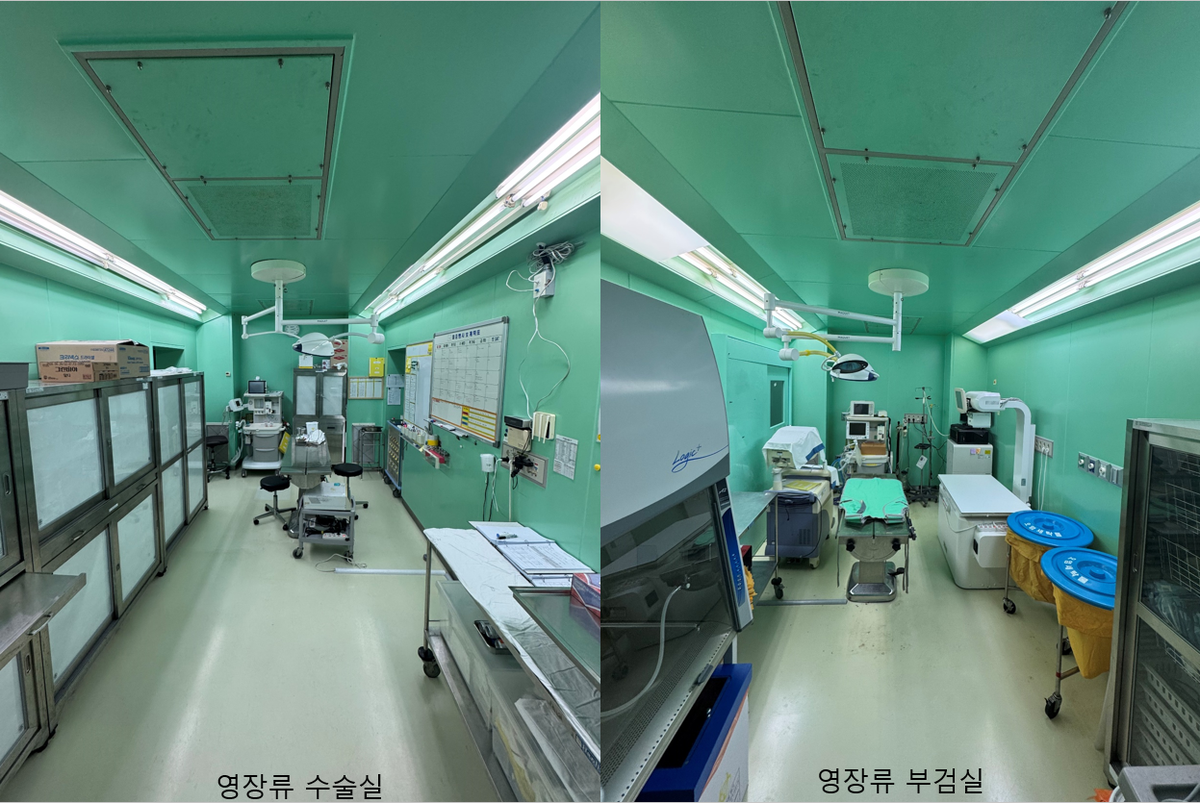
This is the layout and circulation route of the animal facilities, laboratories, and surgery rooms within the Primate Research Center.
Equipment
| Room Name | Instrument |
|---|---|
| Surgery Room | Roll mixer |
| C-arm | |
| Ultrasoundgraphy | |
| Infusion pump | |
| Necropsy Room | Water bath |
| Elctrosurgical unit (Bovie) | |
| Mayo stand | |
| Operating table | |
| Patient monitor (Delta) | |
| Anesthetic machine (narkomed ga) | |
| Infusion pump | |
| Syringe infusion pump | |
| Suction pump |
Technical Support
Primate care and basic experimental support are provided to the extent that they do not interfere with the core duties of the Department of Experimental Animal Research. Technical support that directly affects experimental results is, in principle, not provided; however, it may be offered in unavoidable cases (such as a research team's participation in an overseas conference) at the discretion of the Department of Experimental Animal Research.
Research teams receiving technical support must pay the appropriate fee corresponding to each item.
| Category | Method |
|---|---|
| Training | Squeeze-back |
| Transport cage | |
| Restraint | |
| Monkey Chair | |
| Monkey jacket | |
| Restraint | Physical restraint, capture net, Monkey Chair, Tether system |
| Administration | Nasal |
| Oral | |
| Intramuscular | |
| Subcutaneous | |
| Intravenous | |
| Blood Collection | Venous, whole blood |
| Anesthesia | Shaving Cleaning |
| Injectable anesthesia (induction) | |
| Intubation, anesthesia machine connection | |
| Maintenance anesthesia (1 hour) | |
| Anesthesia recovery |
Housing Status
The Department of Experimental Animal Research of Seoul National University Hospital systematically houses and manages primates suitable for research purposes, providing an environment that takes into account the physiological and behavioral characteristics of each species. All individuals are managed under strict health monitoring and ethical standards.
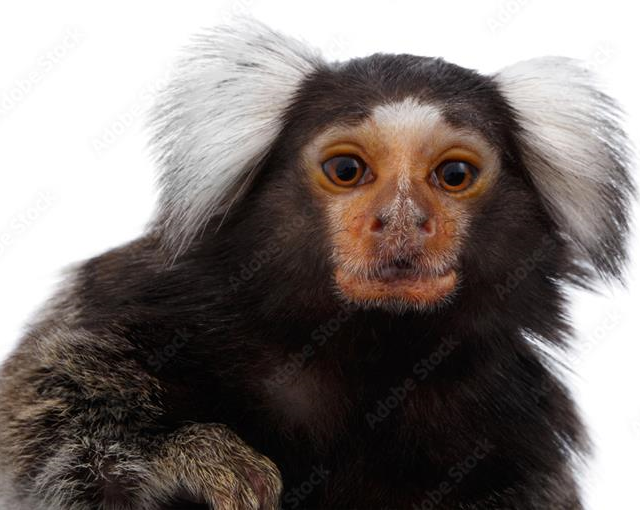
Marmoset
A small primate with high breeding efficiency and relatively easy handling, used in a wide range of life science research. It is widely used in fields such as neuroscience, genetics, and developmental studies, and its use as a genetically modified model has been increasing in recent years.
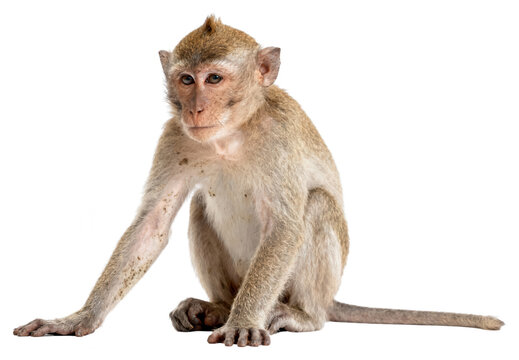
Cynomolgus Monkey
One of the most widely used primates in nonclinical studies, with immune and metabolic characteristics similar to those of humans. It is used as a standard model in various fields such as toxicity testing, pharmacokinetics (PK/PD), and vaccine and infectious disease research.
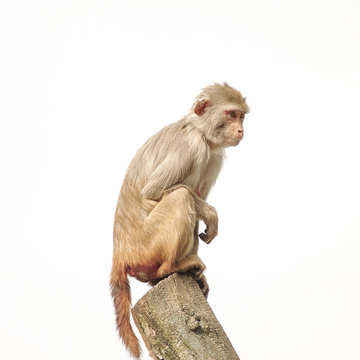
Rhesus Monkey
With physiological and neurological characteristics very similar to those of humans, it is used in neuroscience, infectious disease, and immunology research. It is used as an important model especially in the fields of brain function research and behavioral studies.